Romania
 English
 français
 Deutsch
 italiano
 русский
 español
 português
 العربية
 Nederlands
 한국의
한국의 Bulgaria
 Melayu

„Generează hidrogen folosind energia solară, apoi produce electricitate atunci când este nevoie - eliberându-te de rețea și obținând independența cu zero emisii de carbon.” Această viziune pare atrăgătoare. În calitate de echipă tehnică cu ani de experiență în sectorul energetic, trebuie să avertizăm utilizatorii rezidențiali cu astfel de aspirații: aplicarea energiei eoliene și solare producția de hidrogen Introducerea tehnologiei în locuințe nu numai că este puțin probabil să economisească costuri în această etapă, dar ar putea deveni una dintre cele mai scumpe opțiuni energetice pentru gospodării.
Să examinăm provocările practice ale electrolizei apei cuplate cu fotovoltaic printr-un exemplu concret.
Folosind o unitate de electroliză a apei cu o capacitate de 1 Nm²/h (metri cubi standard pe oră), 55 kWh de electricitate sunt introduși în celula electrolitică. Prin reacții electrochimice complexe și pierderi de sistem, energia electrică este convertită în energie chimică, rezultând în final 1 kilogram de hidrogen. Acest hidrogen necesită o conversie suplimentară pentru o utilizare eficientă.
Ulterior, acest kg de hidrogen este introdus într-o pilă de combustie cu hidrogen de uz casnic pentru generarea de energie. Printr-o serie de reacții chimice, energia chimică stocată în hidrogen este transformată înapoi în energie electrică. În practică, pila de combustie cu hidrogen poate produce doar 12-15 kWh de electricitate utilizabilă. Aceasta duce la o eficiență totală a ciclului de aproximativ 21,8% până la 27,3%. Aceasta indică faptul că peste 72% din energia electrică inițială se pierde sub formă de căldură și alte forme de energie în timpul procesului de dublă conversie „electricitate-hidrogen-electricitate”.
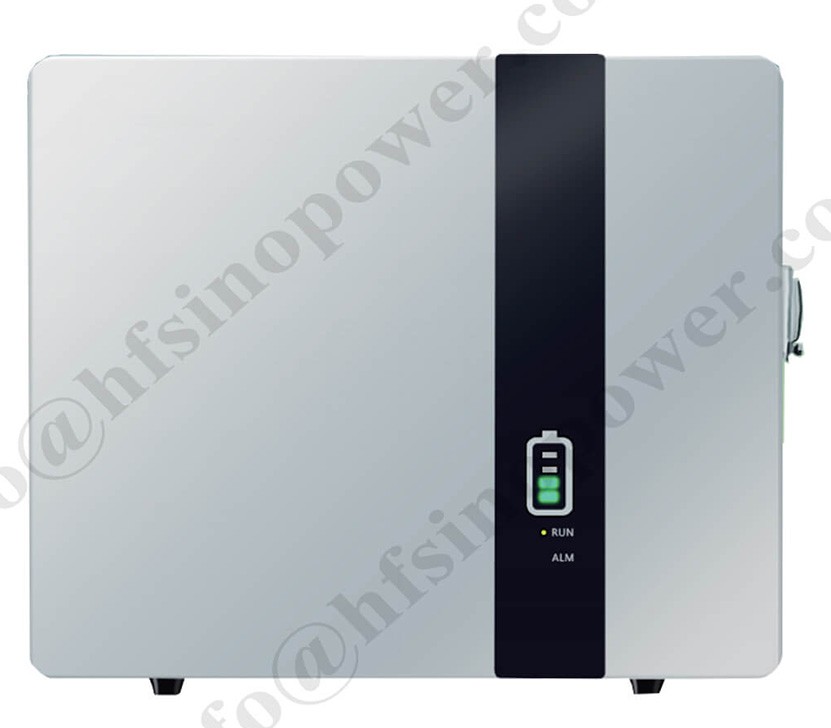
Folosind aceeași generare de energie fotovoltaică de 55 kWh, eficiența ciclului de încărcare-descărcare al unui baterie cu litiu Sistemul depășește de obicei 85%. Aceasta se traduce în aproximativ 46,75 kWh de energie electrică utilizabilă din 55 kWh. Comparativ cu scenariul de generare a energiei fotovoltaice + hidrogen, energia electrică maximă utilizabilă pentru o gospodărie este de doar 15 kWh.
De ce o diferență atât de semnificativă?
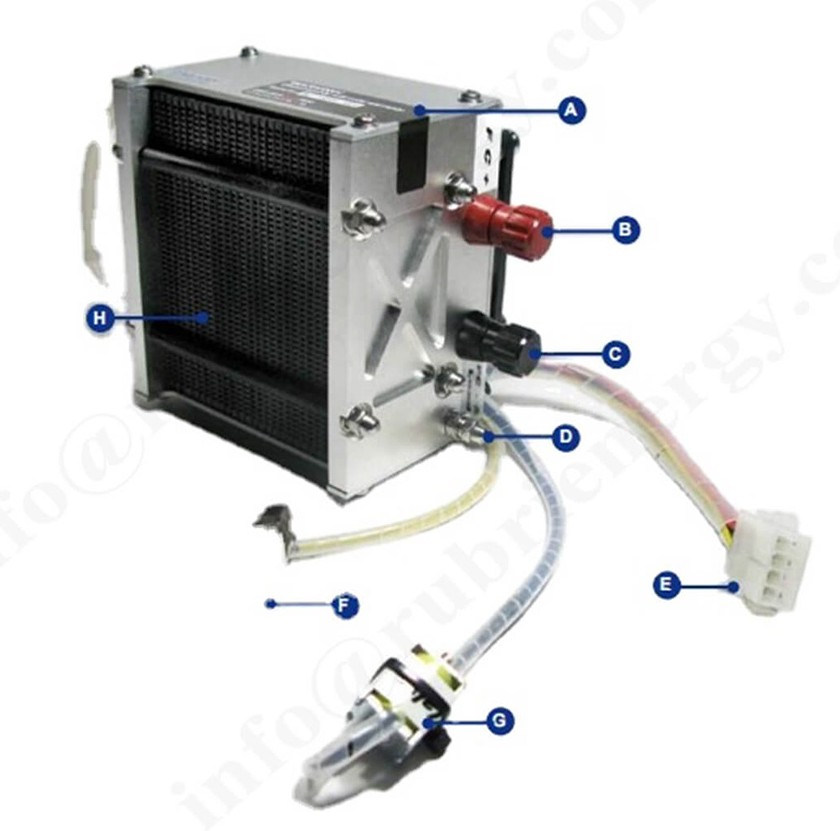
1. Producerea de hidrogen electrolitic și pilă de combustie cu hidrogen Generarea de energie implică fundamental conversia energiei dintr-o formă în alta. Legile termodinamice dictează că astfel de conversii implică inevitabil pierderi, cu o epuizare teoretică inevitabilă a energiei în fiecare etapă. În schimb, încărcarea/descărcarea bateriilor cu litiu urmează o cale mai directă de tip „electricitate-chimie-electricitate”, cu mai puține etape de conversie și, în consecință, pierderi de energie mai mici în timpul stocării și eliberării.
2. Din perspectiva maturității tehnologice, bateriile cu litiu au stabilit un lanț industrial complet și matur. Eficiența sistemului lor a fost optimizată pe termen lung și se apropie de limitele sale inginerești. În schimb, tehnologia energiei pe bază de hidrogen pentru aplicații rezidențiale se află în stadii incipiente de dezvoltare. Sistemul cuprinde mai multe componente complexe - electrolizoare, compresoare, unități de purificare, pile de combustie - fiecare necesitând un consum suplimentar de energie. Prin urmare, eficiența generală a sistemului integrat este în urma celei a bateriilor cu litiu.
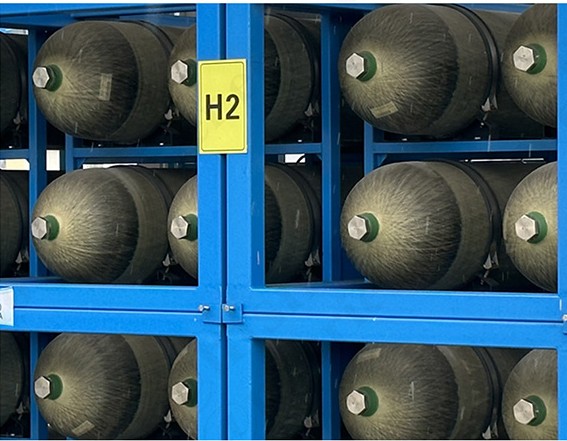
3. De asemenea, apar diferențe de cost între stocarea fotovoltaică cu litiu și generarea fotovoltaică cu hidrogen. Fabricarea echipamentelor de producție a hidrogenului și stocarea hidrogenului consumă în sine o cantitate substanțială de energie electrică. Pentru a atinge obiective echivalente de energie electrică pentru gospodării, soluțiile pe bază de hidrogen necesită adesea instalații de panouri solare mai mari. Din perspectiva costurilor pe întregul ciclu de viață, sistemele rezidențiale actuale pe bază de hidrogen se luptă să concureze economic cu metodele tradiționale de stocare a energiei.
Pentru utilizatorii casnici care prioritizează sustenabilitatea mediului și autonomia energetică, utilizarea eficientă ar trebui să rămână esențială. Canalizarea energiei solare curate către sisteme de conversie mai puțin eficiente implică costuri substanțiale pentru aplicațiile rezidențiale. Este important să recunoaștem că hidrogenul, ca sursă strategică de energie, ar trebui să se concentreze în principal pe aplicații industriale, stocarea energiei la scară de rețea și sistemele de transport grele.
Pentru scenariile energetice rezidențiale, recomandăm: În această etapă, optați pentru soluția „PV + baterie litiu”, matură din punct de vedere tehnic și viabilă din punct de vedere economic, pentru a maximiza valoarea fiecărui kilowatt-oră de lumină solară. Numai atunci când energia hidrogenului realizează progrese în tehnologia rezidențială și demonstrează îmbunătățiri economice semnificative, integrarea sa în sistemele energetice rezidențiale ar trebui considerată o abordare prudentă.



 IPv6 SUPPORT DE REȚEA